When to Stop Feeding Koi for Winter
By The Pond Review · Updated August 2026
Independent editorial guide. We never accept payment for coverage, though we may earn a commission if you purchase through our links.
Quick Take
Feed your koi by water temperature, not by the calendar. As the pond cools in fall, switch from summer growth food to a wheat-germ or cold-water food once the water is consistently below about 60F, feed less and less as it keeps dropping, and stop feeding entirely once the water sits below 50F. Below that, koi cannot digest food; it rots in the gut and can kill them over winter. Measure the water at fish depth with a thermometer, feed only in the warm part of the day, and when in doubt, do not feed. Your fish live off the fat they built in summer and will not starve.
The three things that make this easy, a thermometer to read the water, a cold-water food for the way down, and a de-icer for after you stop, are below. See picks ↓
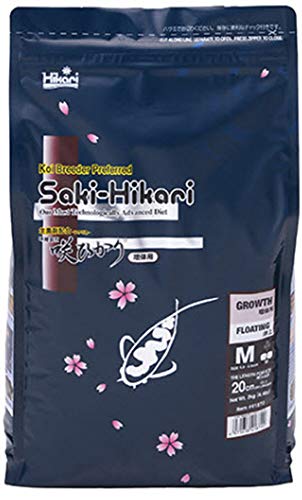
The single most useful rule in pond fishkeeping is also the one new keepers most often get wrong: you feed koi and pond fish by the water temperature, not by the season or how hungry they look. Koi are cold-blooded, so their metabolism rises and falls with the water, and a 60-degree fish digests nothing like an 80-degree one. In fall your job is to follow the water down, switch to a food the fish can still process as it cools, and then stop before the water gets cold enough that food does more harm than good.
Timing this well makes winter a non-event. Getting it wrong makes feeding one of the two most common ways keepers lose fish over winter. The danger is not that they go hungry. It is the opposite: feed a koi when the water is below about 50F and the food sits undigested in a gut that has effectively shut down, where it rots and can trigger a fatal infection, often not until spring when the fish should have been waking up healthy. This guide gives you the temperature thresholds koi-food makers and experienced keepers use, the thermometer habit that makes them usable, and what to do once feeding stops for the year.
Feed by water temperature, not the calendar
A koi is a cold-blooded animal, and everything it does, how fast it swims, how hard its immune system works, how much food it can digest, tracks the temperature of the water around it. That is why a date on the calendar is useless for deciding when to feed. A warm October can keep a pond feeding into November; a cold snap can shut it down in September. The only number that matters is the water temperature at the depth your fish are holding, and once you start reading that number, the entire feeding year becomes a simple set of thresholds to follow down and back up.
It also means the fish's appetite is a poor guide on its own. On a mild late-fall afternoon koi will still rise and beg, because the surface warmed a few degrees in the sun, even though the water they will spend the night in is far too cold to digest what you just fed them. Trust the thermometer over the begging. The fish do not know the difference; you have to.
The koi feeding temperature guide, warm to cold
Here is the whole year in one place, keyed to water temperature. Work down it as fall cools, and back up it in spring. Fahrenheit first, Celsius in brackets.
- Above 68F (20C): growth season. Feed a high-protein summer or all-season food, as much as the fish clear in a few minutes, two or three times a day. This is when koi put on the fat reserves that carry them through winter, so feed well now.
- 60 to 68F (16 to 20C): the turn. The fish are still feeding but slowing. Cut back to once or twice a day and begin transitioning off high-protein summer food. This is the window to start mixing in, then moving fully to, a wheat-germ or spring-and-fall food.
- 50 to 60F (10 to 16C): cold-water food only. Feed a wheat-germ or cold-water formula once a day at most, only what the fish finish in a couple of minutes, and only in the warm part of the day. Wheat germ is easier to digest at these temperatures than a high-protein pellet, which is why every cold-water food is built around it.
- Below 50F (10C): stop. This is the line most keepers and cold-water food makers draw, and the safe default. Below roughly 50F a koi's digestion effectively stops, so any food you give sits in the gut undigested. Put the food away for the year.
- Below 40F (4C): absolutely no food, no exceptions, even on a warm afternoon. The fish are in near-dormancy; a single feeding now is a real risk, not a treat.
One honest note on the numbers. Experienced koi keepers vary a little at the edges, some push a light wheat-germ feeding down into the mid-40s, others stop at a firm 50F and do not look back. The variation is real, but it runs in one direction: nobody credible recommends feeding a high-protein food in cold water, and the risk of feeding too late is far worse than the harmless "risk" of stopping a week early. When you are unsure, the correct move is always to not feed.
Why cold food kills: the digestion problem
The reason for the 50-degree line is not folklore, it is physiology. A koi has no way to warm itself, so in cold water its whole system slows down, including the gut bacteria and enzymes that break food down. Feed protein into that slowed gut and much of it goes undigested, and it sits and decomposes inside the fish. This is why experienced keepers and cold-water food makers alike treat feeding a cold koi as a real risk: undigested food can foul the gut and set up an infection, and the damage often does not show until spring, when the fish should have been waking up healthy. It is also the reason wheat-germ food exists, wheat germ stays digestible at low temperatures where a high-protein pellet does not.
This is why "they look hungry" is a trap and why the safe error is always to underfeed. A koi that is fed too little in fall loses nothing, it draws on the fat it stored all summer and wakes up fine. A koi that is fed too much, too cold, can die of it. In a hobby where most winter losses trace back to either oxygen or feeding, this is the half you have total control over: just stop on time.
Measure the water, not the air
All of this depends on knowing the actual water temperature, which is almost never what your phone's weather app says. Air temperature swings far faster and wider than water, and the water down where your koi are holding, near the bottom of the deep zone, lags the surface by degrees. A floating pond thermometer read at the surface is better than nothing, but the number that decides feeding is the one at fish depth, which is why a probe you can read from indoors earns its keep at exactly this time of year.
Build the habit now: check the water every few days once fall sets in, and let that reading, not the date and not the fish's behavior, make the call. A wireless unit that puts the water temperature on a display in your kitchen turns "should I feed today?" into a two-second glance instead of a trip out to the pond with a thermometer on a string. At the transitions, that convenience is the difference between following the thresholds and guessing at them.
What to feed on the way down
Between roughly 50 and 65F you are not just feeding less, you are feeding something different. Summer growth foods are high in protein to build fish; a cold, slowing gut cannot process that protein, so you switch to a wheat-germ or spring-and-fall food built to be digestible at low temperatures. Wheat germ is the active ingredient in essentially every cold-water pond food for exactly this reason, it breaks down more easily than fishmeal protein when the fish's metabolism is low.
Practically, buy the cold-water food before you need it, in early fall, so you are not tempted to keep feeding summer pellets because the wheat-germ bag has not arrived. Feed it once a day at most as the water drops through the 50s, only what the fish finish quickly, and only when the water is warmest, early afternoon on a sunny day. Then, when the water is reliably below 50F, that bag goes on the shelf until spring, when you reverse the whole sequence on the way back up.
After you stop: winter is about oxygen, not food
Once feeding stops, the job changes completely. Your fish need nothing from you nutritionally until spring, but they do need the water to stay livable, and in winter that means one thing above all: gas exchange. On a pond that freezes over, the danger is not cold so much as a sealed lid, ice that traps the carbon dioxide the fish and decomposing debris give off and shuts out oxygen. The fix is to keep a hole open in the ice, with a de-icer, an aerator run near the surface, or both, so the pond can breathe. A de-icer does not warm the pond and is not meant to; it holds an open patch so the pond keeps exchanging gas.
So the winter sequence is: feed the fish well through summer, follow the water down and switch to cold-water food in the 50s, stop feeding below 50F, and then leave the fish alone except to keep a hole in the ice and the water gently moving. Do that and the koi you stopped feeding in November are the koi you start feeding again, healthy, in spring.
When to stop feeding koi: common questions
What temperature do you stop feeding koi?
Stop feeding once the water temperature is consistently below 50F (10C). That is the threshold koi-food makers and experienced keepers settle on, because below it a koi's digestion effectively stops and food sits undigested in the gut. Some keepers feed a light wheat-germ food into the mid-40s, but 50F is the safe, widely recommended line, and below 40F you should never feed at all. Measure the water, not the air, and go by the reading at fish depth.
Can you feed koi in winter?
No, not once the water is below about 50F. Through the fall transition, roughly 50 to 65F, you feed a wheat-germ or cold-water food sparingly, but once the pond settles into true winter cold you stop entirely until spring. Feeding a koi in cold water is the mistake, not withholding food: the fish cannot digest it, and the undigested food can rot and cause a fatal infection. Winter care is about keeping a hole in the ice for oxygen, not about food.
How long can koi go without food in winter?
All winter, comfortably, often three to four months. Koi are built for it: they spend the warm months storing fat, and in cold water their metabolism drops so low that they need almost nothing. A healthy fish that went into winter well fed will not starve over a normal winter without a single meal, and it is far safer than the alternative of feeding it too cold. Do not let a mild-day begging session talk you into "just a little."
When do you switch koi to wheat germ or cold-water food?
Begin the switch as the water cools through about 60F, and feed wheat-germ or spring-and-fall food only from roughly 50 to 60F. Below 50F you stop feeding altogether; above about 68F you are back on high-protein summer food. Buy the cold-water food in early fall so it is on hand before you need it, and reverse the same sequence in spring as the water warms back up.
Should you feed pond fish on a warm winter day?
No. A sunny winter afternoon can warm the pond's surface a few degrees and bring the fish up looking hungry, but the water they will spend the night in is still far too cold to digest food, and the warm spell will not last long enough to change that. Feeding on a warm winter day is one of the most common ways keepers lose fish they thought they were treating. Trust the thermometer at fish depth, not the surface and not the sun.
The picks
Products we recommend for this guide.

Inkbird IBS-P01R Wireless Pond Thermometer
The tool that makes every rule here usable. A waterproof sensor sits at fish depth and sends the water temperature to a display you keep indoors, so the fall feeding calls get made on the reading that matters, not the air temperature or the calendar.

TetraPond Spring & Fall Diet Cold-Water Food
The wheat-germ food for the cool shoulder seasons, when a summer pellet is too rich for a slowing gut. Wheat germ stays digestible as the water drops toward 40F; buy it in early fall, feed it sparingly on the way down, and shelve it once you stop.

K&H Thermo-Pond 3.0 Pond De-Icer (100W)
For after you stop feeding. Once the pond freezes, the fish need an open hole for gas exchange more than food. This de-icer holds that hole open on a hard freeze; it does not heat the pond, and it belongs on a GFCI circuit.
What owners say
Real owner reports from the threads and editorial sources we drew on for this guide.
“When the water temperature drops to below 60 degrees switch over to a Spring/Fall formulated food, then when the water drops below 50 degrees, stop feeding.”
“I have about 40 goldfish ranging in size from 2"-6", I stop feeding them when the pond temp drops below 55 and will resume when it gets back up above that. My fish have always survived, have been doing it this way for about 8 years.”
“Water temp below 50 d do not feed.”
“Generally I don't start feeding my koi until the water temps are consistently above 50 degrees and then I use a food that is high in grain. Cheerios will even work well for this. When the temps are consistently above 60 degrees, I then start adding some of the higher protein foods, with complete switch over by the time the water temps are 70 and above.”
“I usually start gradually integrating the Wheat Germ, and decrease the high protein at the beginning of September and work my way till I only feed the Wheat Germ”

